hazelheartwood
EN
  • English
  • Nederlandssoon
  • Françaissoon
  • Españolsoon
  • Românăsoon

Home / What we do

What we do

From the value case to a team that owns it.

One offering, AI-enabled transformation, delivered end to end: from the first conversation about value to a tool that runs in your daily operations, and a team on your side that owns it. Three capabilities, one lean team and one roadmap.
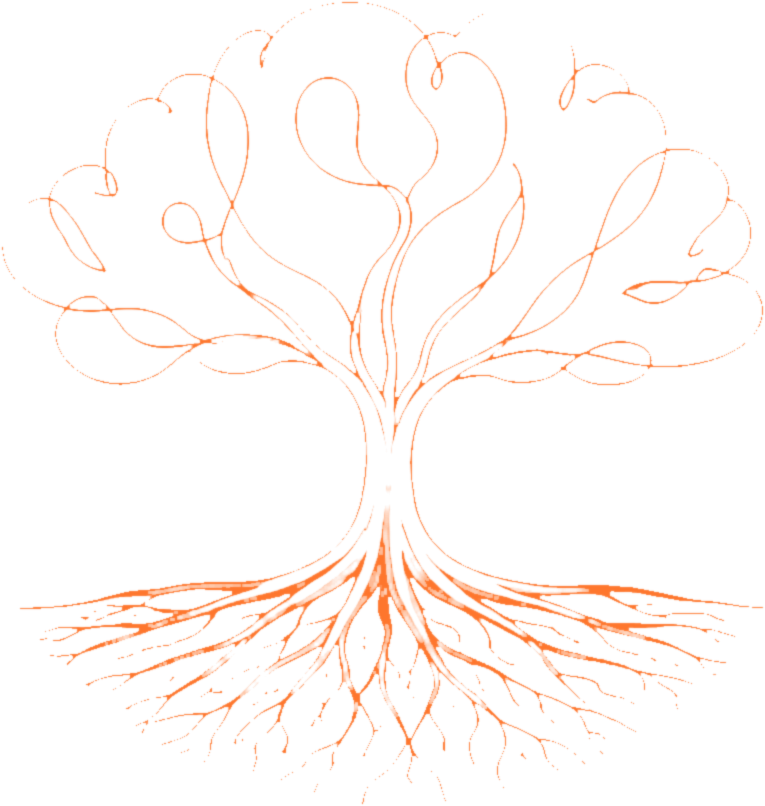
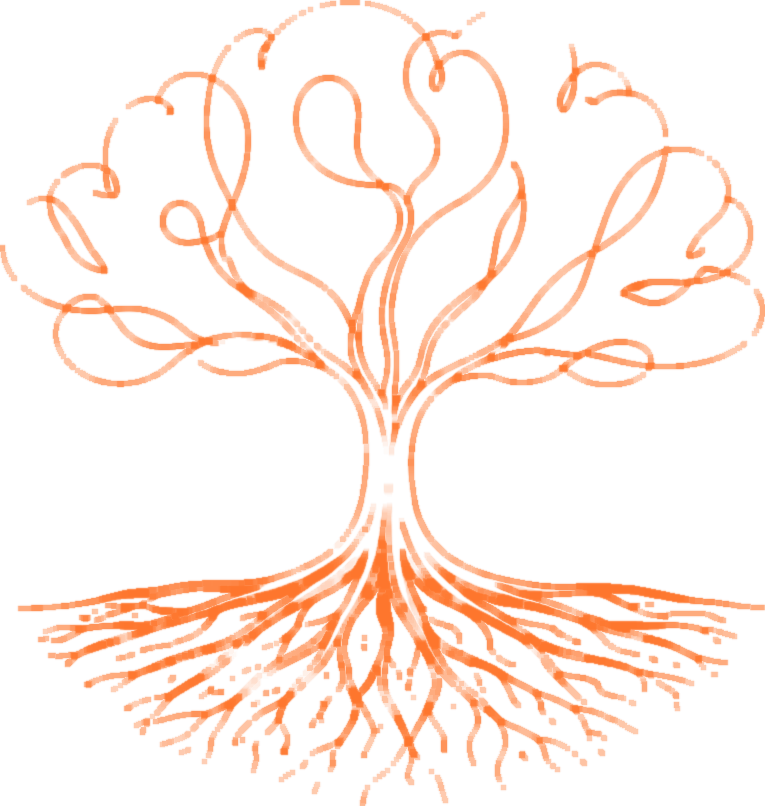
The HazelHeartwood tree: roots, trunk and crown
End to end

Advisory, delivery and adoption. One team, all the way.

Three phases, one tree: advisory is the roots, process redesign is the trunk that carries all four dimensions of the transformation, and change & adoption are the leaves, what your organisation can see and use.

How we work
The roots.01

Advisory

Value case, roadmap, target operating model and use-case selection: we align on the business strategy, assess the current state and score the use cases on value, feasibility and risk, so you invest first in the one with real impact, the MVP.

  1. Vision & strategy alignmentAlign AI & data goals with the business strategy and define the expected value.
  2. As-is analysisAssess current capabilities, data readiness, processes, technology and constraints.
  3. To-be design & prioritisationDesign the realistic to-be, and identify and rank the AI & data use cases that get you there by strategic impact and feasibility.
  4. MVP selectionChoose a high-value, feasible use case to pilot and prove value.
The trunk.02

Process redesign & solution delivery

We design how AI & data will be embedded in the organisation, across process, people, data and technology, and we build it: a data foundation that is governed and built to last, and AI engineering from mock-up to production. Getting the data right is most of the AI work.

  1. People, the whoOwnership and organisation model, capability and upskilling, change management and adoption.
  2. Data, the whatDataOps, governance and quality, ethics and privacy.
  3. Technology, the whereArchitecture, infrastructure, security and integration.
  4. Process, the howPortfolio management, AI lifecycle and risk management, feedback and monitoring.
The leaves.03

Change, adoption & capability building

We run the MVP in short iterations with the end users, validate the assumptions about the target model and refine, until the new way of working is your transformed way of working. Programme leadership, new ways of working and value tracking, with your people as co-owners: you keep the capability to transform when we leave.

  1. PilotThe tool goes live with the people who do the work, at the accuracy the business agreed up front.
  2. MeasureThe value KPI agreed before the build, and the behaviour change behind it.
  3. AdoptProgramme leadership and new ways of working; what the users tell us goes back into the next iteration.
  4. Hand overYour people are co-owners from day one, so you keep the capability to transform when we leave. We do not run tools for you after go-live. We hand over to your team or, when you prefer managed services, to trusted partners we have worked with before.
Responsible AI

AI as an enabler and never an end in itself.

AI creates opportunities, and it introduces new responsibilities. Technology should support human judgement, not replace it. For us, responsible AI is a way of working: who reviews outputs, who can override and who gets called when something goes wrong.

01

Human agency & oversight

People remain accountable for important decisions. Clear review points, final human accountability and onboarding that preserves critical thinking.

02

Transparency & testing

Inputs, outputs and decisions are traceable. Accuracy, consistency and user testing are embedded in delivery, and every version is measured before operations rely on it.

03

European by design

EU AI Act awareness, GDPR-aligned data handling, NIS2-based security and a deliberate approach to digital sovereignty and vendor lock-in. In 2025 we helped initiate the national conversation on a Belgian sovereign cloud, officially launched in 2026.

Let’s talk

Bring us a process, not a tool idea.

A first conversation costs nothing but an hour.